

May 2026
Student creativity recognised in latest Artists of the Month awards
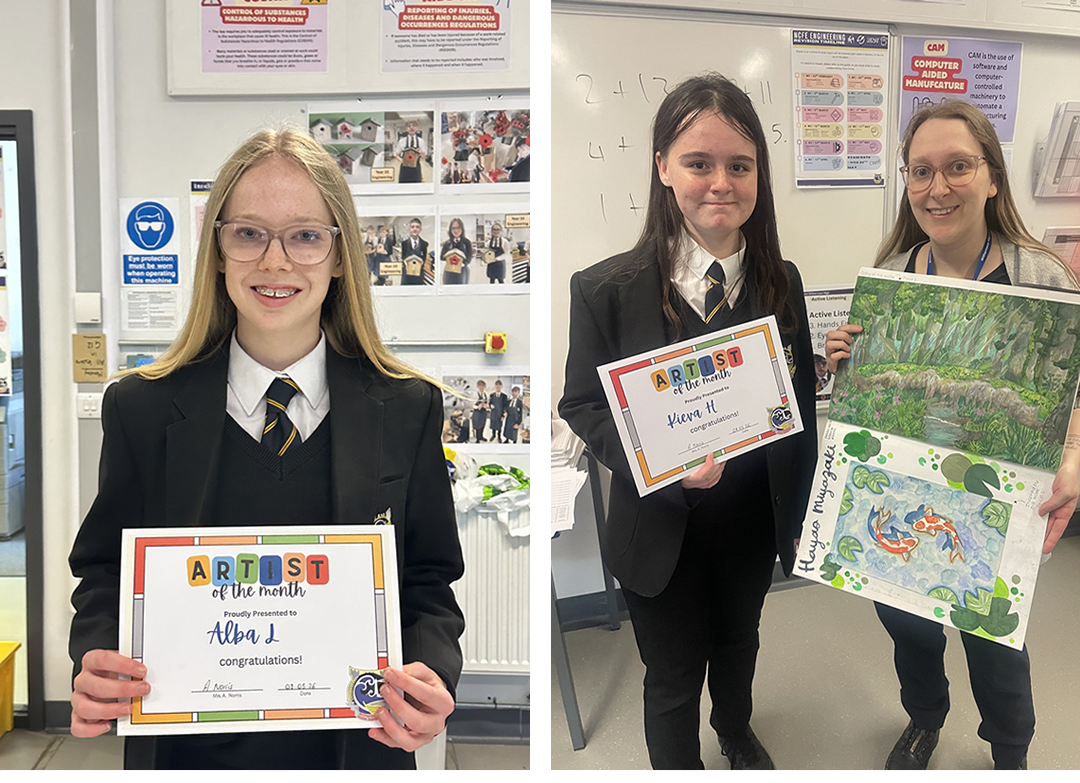
The fifth recipients of the school’s Artists of the Month awards have been announced.
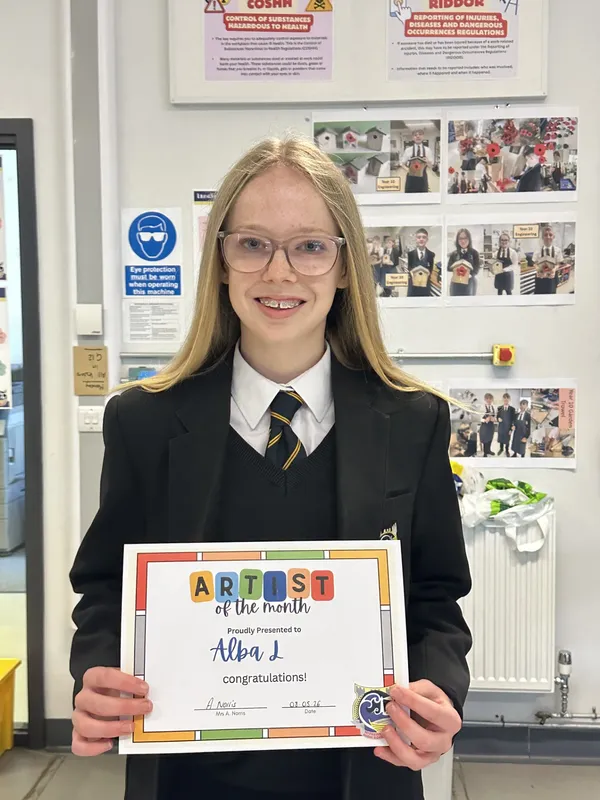
This month’s Key Stage 3 winner is Year 8 student Alba L, while the Key Stage 4 award has been presented to Year 10 student Kieva H.
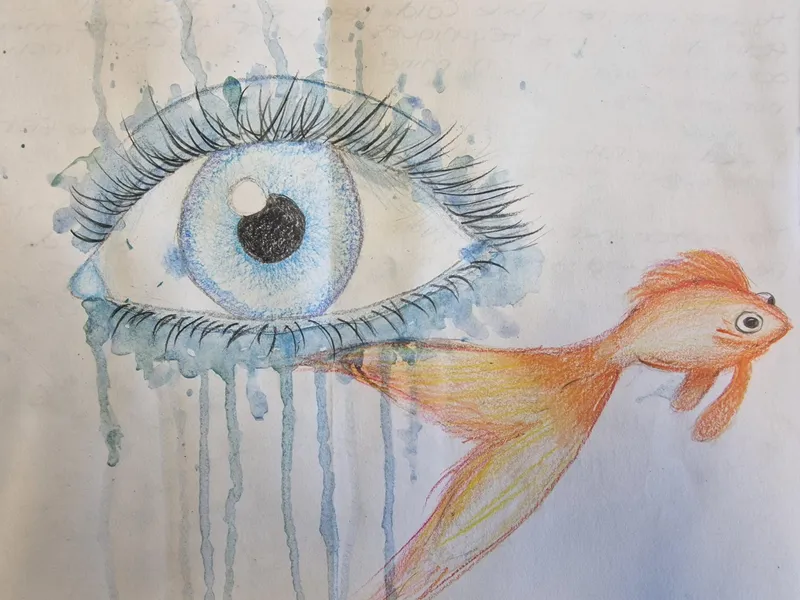
Alba’s work included a highly detailed butterfly study that demonstrated strong observational drawing skills and careful attention to pattern, shading, and symmetry. Using soft pencil tones and subtle accents, the piece captured delicate textures and intricate markings. Her second artwork combined watercolour-style washes with layered pencil work, bringing together colour and imaginative composition in a striking image featuring a vivid eye alongside a fish. The unusual pairing of subjects highlighted Alba’s willingness to experiment with both realism and more abstract ideas.
Teachers praised Alba’s consistent dedication, noting that she frequently takes her sketchbook home to complete additional work outside of lessons. They added that her determination to achieve Artist of the Month was evident throughout the year, with her hard work clearly paying off.
Reflecting on her achievement, Alba said: “It feels really good and I’m very proud of myself. I definitely want to study Art at GCSE in the future, so I’m really happy. When I was younger during COVID, I used to watch lots of art videos on YouTube, and so many creators inspired me to start making art myself. My winning Artist of the Month pieces came from the work I’d been doing in my sketchbook during art lessons at school. In the future, I’d like to have a job involving art because it’s something I really enjoy. I’ve thought about becoming either a primary school teacher or an art teacher, but I’m not completely sure yet. Either way, I’ll definitely continue art as a hobby.”
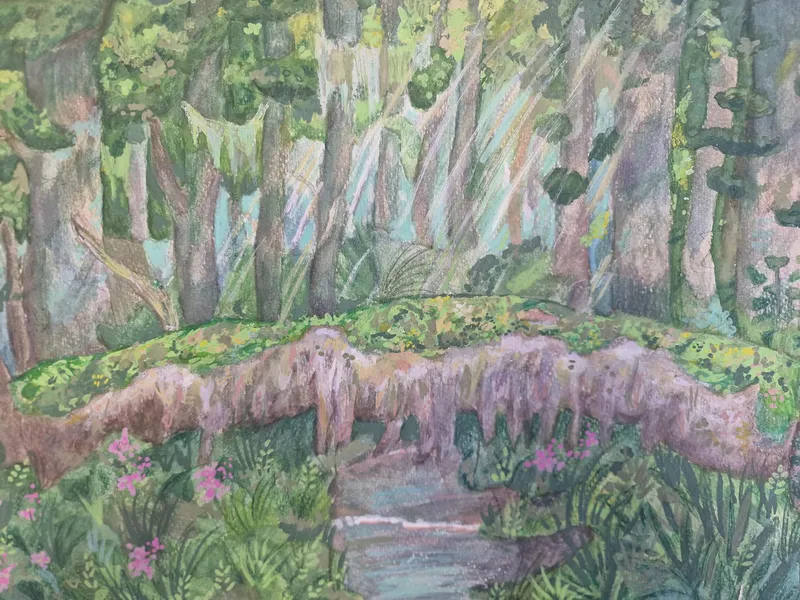
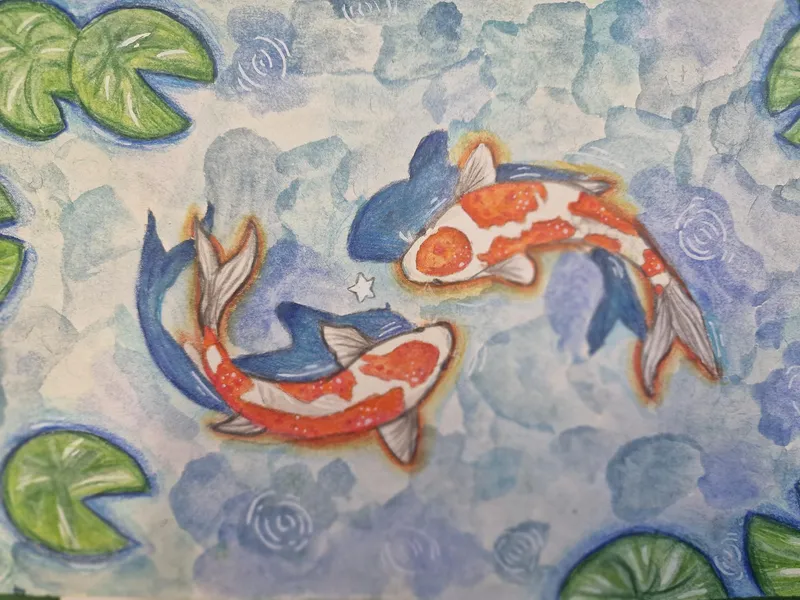
Kieva H’s artwork demonstrated strong imagination and confident use of colour and texture across two nature-inspired pieces. One painting depicted an atmospheric woodland scene, with muted greens, purples, and blues creating depth and mood. Her second artwork featured two brightly coloured koi carp swimming among lily pads, drawing inspiration from water and wildlife. Together, the pieces showcased her creativity, attention to detail, and ability to capture atmosphere through natural environments.
Kieva, who is currently studying Art at GCSE level in Year 10, said: “I was really surprised, but also really happy to win. I’m not entirely sure what inspired my winning pieces, but one of my favourite artists we’ve studied so far is Hayao Miyazaki because of the bright, naturalistic style in his work; I just think it’s really cool. I’d love to continue with art and design in college, and I’d also like to do photography alongside it. I’m still not completely sure about my future career, but art and design has always been something I’ve really enjoyed, whether as a hobby or possibly even as a career one day.”
Art teacher Holly Andrews commended the students’ achievements, saying: “The past few months have been amazing for both students. The themes of work and the level they are achieving are something they should be proud of. Kieva has been excelling at GCSE and has been using her own creativity to push her artistic choices. Alba has been trying really hard all year, even putting in extra hours at home to make sure her work is completed, certainly with her eyes on student of the month.”
The Artists of the Month award forms part of the school’s wider commitment to celebrating student success and promoting creativity. Launched in October, the initiative recognises artistic achievement across Key Stages 3 and 4 and provides students with opportunities to showcase their work through displays around the site, exhibitions in the main reception, and features on the school’s website and social media channels.
Head of DT Amy Norris added: “We have loved seeing the enthusiasm for Artist of the Month. Many students are keen to complete extra work at home in the hope of winning the award. We have noticed a positive difference in the standard of artwork being produced this school year, and we believe this is due to raising the profile of the subject. Competitions such as Artist of the Month, more school visits, and displaying more current work around the school have all helped. Every time we meet as a department to choose our winners, it gets more and more difficult.”
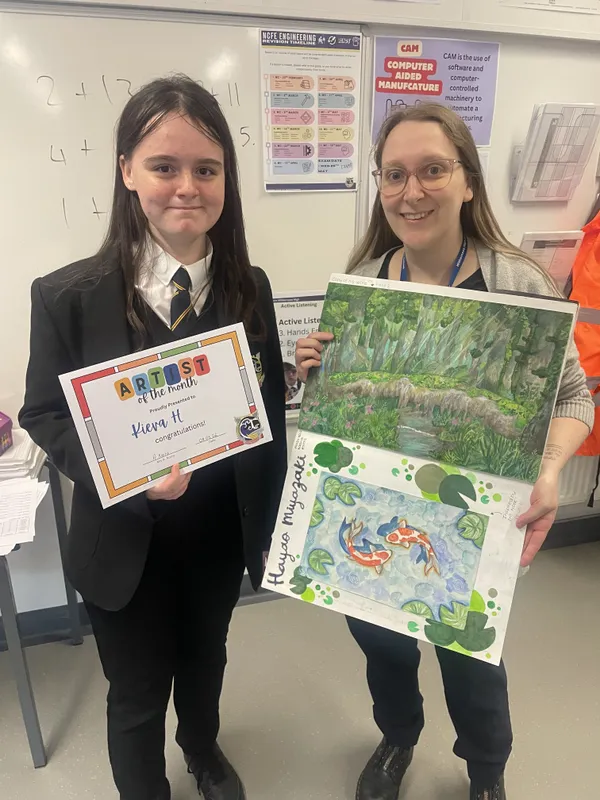

Students discover engineering is for everyone through aspirational careers programme
A group of students from Withernsea High School have been given a first-hand insight into the world of engineering and renewable energy through a programme designed to raise aspirations among young women considering STEM careers.
Eleven Year 9 and Year 10 students took part in the Women into Manufacturing and Engineering (WiME) Raising Aspirations programme, delivered in partnership with energy company RWE to build confidence and encourage more girls to consider careers in Science, Technology, Engineering and Maths (STEM).
Students began the programme with introductory sessions in school exploring career pathways, personal strengths and the many opportunities available within the engineering and renewable energy industries. Sessions were led by RWE representatives including Humber Gateway general manager Katie Wright, offshore health, safety and environment adviser Bella Easton, apprentice offshore wind turbine technician Amelia Goodwin, and offshore wind turbine technician Amy Allen.
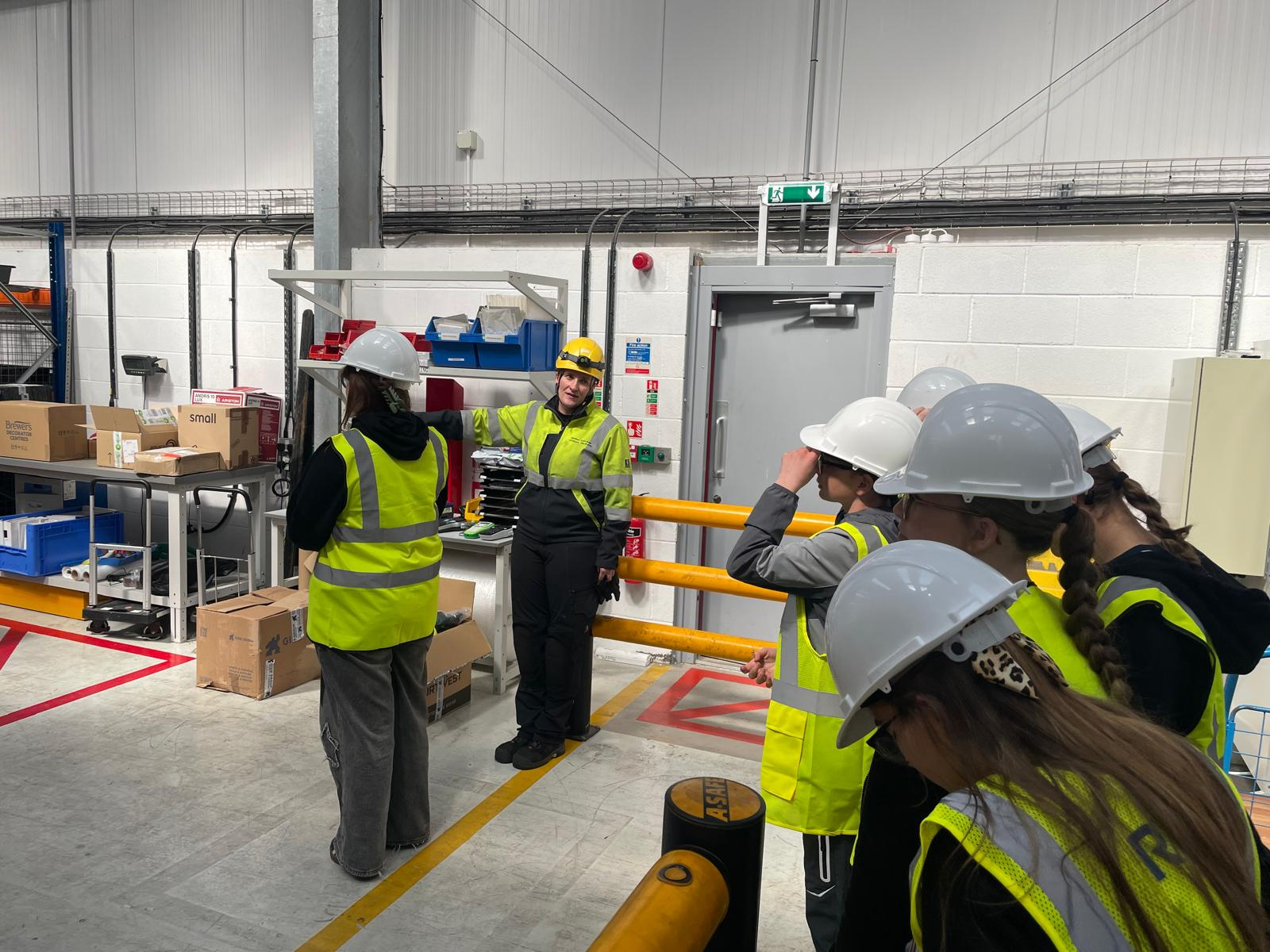
The programme later moved to RWE’s offshore wind Operations and Maintenance (O&M) facility at the Port of Grimsby, which supports the company’s Humber Gateway wind farm. The students took part in CV and cover letter workshops, discussed transferable skills and toured the operational site. During the visit, they also heard from Vicky Powell, director of UK offshore operations at RWE, who spoke about her career journey and the experience she had gained throughout her career.
Humber Gateway general manager Katie Wright said: “The students responded very positively to the programme, showing strong engagement throughout both stages. During the keynote sessions, they asked thoughtful questions about career pathways, qualifications and real-life experiences in engineering.
“On the site visit day, their confidence visibly increased, particularly during interactive elements such as the CV workshops and informal discussions over lunch. Many students who were initially quiet became more comfortable contributing, especially when speaking with female engineers and professionals they could relate to.
“Overall, the programme created an environment where students felt able to ask questions openly and begin to see themselves in roles they may not have previously considered.”
The visit also aligned with the Gatsby Benchmarks, the national framework for careers education in schools, which emphasises the importance of young people gaining first-hand experience of workplaces through visits, employer engagement and placements.
Updated government guidance recommends secondary school students complete a total of ten days’ work experience by the end of Year 11, with increasing emphasis being placed on exposing young people to professional environments and career opportunities from an early age.
Careers leader Viki Foster said: “Such opportunities can make a huge difference because they allow students to see industries and workplaces for themselves rather than simply hearing about them in the classroom.
“Speaking directly to professionals in the sector and hearing about their experiences helps make those career pathways feel more realistic and achievable. It also helps students understand the relevance of the subjects they study in school and how those subjects can open doors to a wide range of future opportunities.”
Katie Wright added: “The site visit is a critical part of the Raising Aspirations programme because it transforms engineering from something abstract into something tangible and accessible. Seeing a real working environment helps students understand the scale and impact of the industry. It allows them to visualise themselves in a professional setting and connect classroom learning to real-world applications. It also breaks down common misconceptions about engineering workplaces, particularly for young women who may not previously have seen themselves represented in these environments.”
Students were also shown the wide variety of careers available within RWE, many extending beyond traditional technical roles, such as project management, environmental and sustainability roles, data analysis, IT, communications, finance and community engagement.
“This diversity is important because it allows young people with different strengths and interests to find a pathway into the industry. Access routes are equally varied. Students can enter through apprenticeships, graduate schemes, internships and work experience placements. Programmes like Raising Aspirations are key in highlighting these pathways early, helping students understand that there is no single type of person suited to engineering or energy careers.”
Now in its fifth year, the Raising Aspirations programme was created by WiME in response to calls from Humber-based employers seeking to build a more diverse future workforce. Since launching, more than 700 girls have taken part in the initiative. During the current academic year alone, around 200 students from 14 schools across the Humber have been involved, supported by 20 locally based companies.
Reflecting on its impact, Dr Kirsty Clode, chairwoman of WiME, said: “In 2021, the WiME team created the Raising Aspirations programme in response to requests from companies who wanted a programme that built on the success of the annual face-to-face, multi-school WiME careers events, including our careers fairs.
The programme is only made possible thanks to the involvement of wonderful people at companies like RWE who generously participate. Sharing their career stories makes a real difference. Each participant has a unique story that helps the girls see amazing opportunities. I often hear that the girls finish the programme knowing about many more jobs than they ever imagined, and they truly believe these industries are for them - which is fantastic.”
Katie Wright added: “From a company perspective, initiatives such as WiME and the Raising Aspirations programme are an important part of a broader, long-term effort to improve gender diversity.
“While it can be difficult to directly attribute increases in recruitment to a single programme, there are clear indicators of positive impact, including increased engagement from female students during outreach activities, growing interest in work experience and early-career opportunities among young women, and stronger visibility of female role models within the organisation.
“Like many organisations in the engineering sector, RWE continues to see a gradual increase in the number of women exploring and entering engineering roles, although this remains an ongoing area of focus.
“We are actively working to build a more balanced workforce through outreach, inclusive recruitment practices and early engagement programmes such as this one. Over time, these initiatives contribute to a stronger and more diverse talent pipeline.”
Building on the work to connect more women and young people with opportunities in the sector, WiME has also announced that its next careers fair will take place on Tuesday, 6 October, at the Guildhall in Hull, with the event open to the public from 4pm to 6pm.
The careers fair will showcase the wide range of opportunities available for women across the manufacturing and engineering sectors, giving visitors the chance to meet industry professionals, explore current job vacancies, learn about apprenticeships and training routes, and gain insight into careers within the region’s growing industries.
The event is aimed at women considering a career change, those returning to work, school and college students, higher education students and careers advisers.
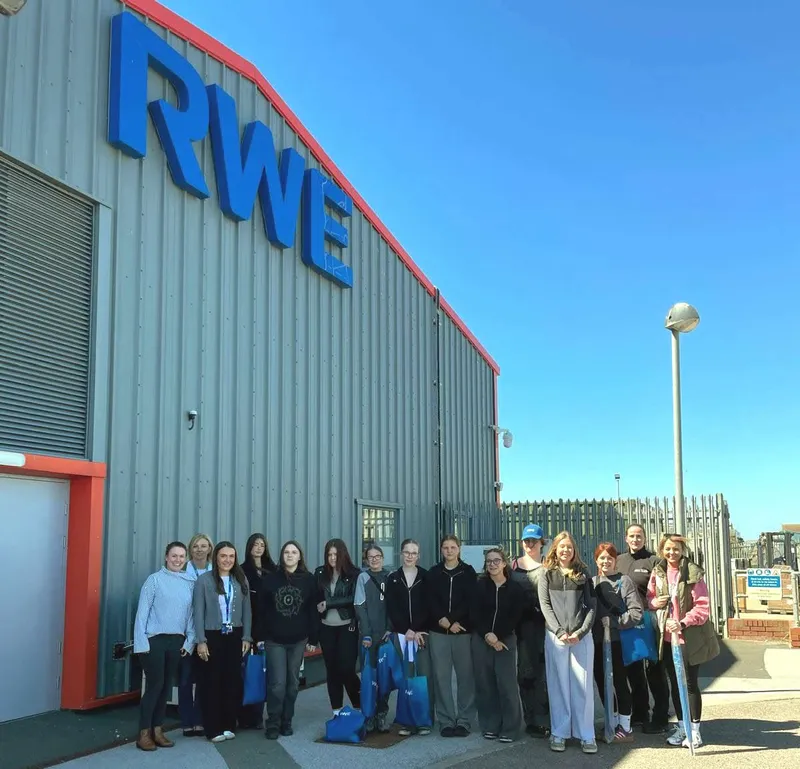
ABOVE: The students were given a tour of RWE's O&M facility at the Port of Grimsby.
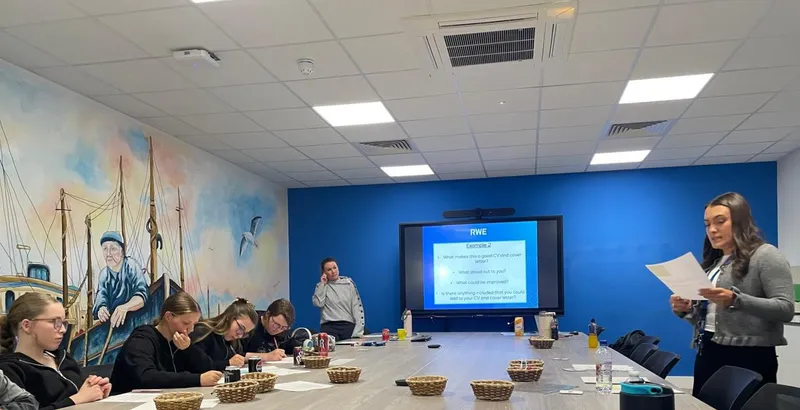 ABOVE: HSE Adviser Bella Easton leads a CV workshop with Year 9 students.
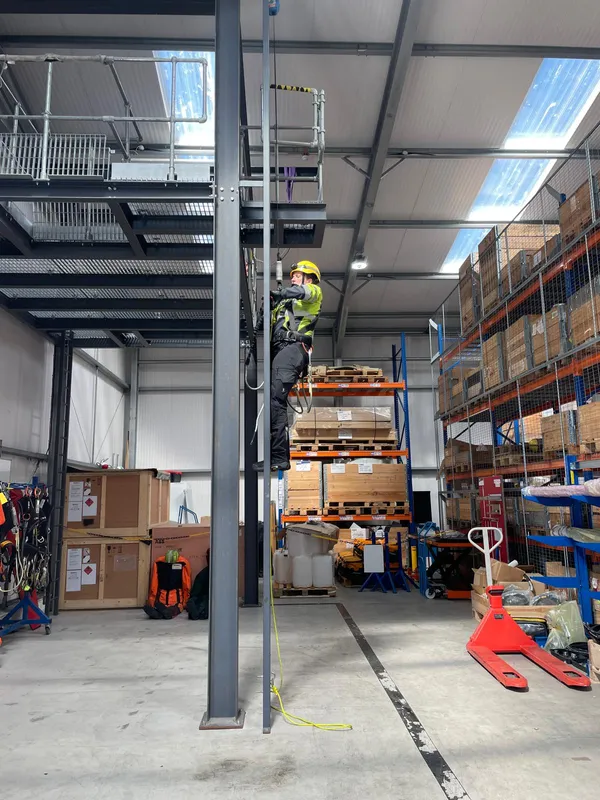
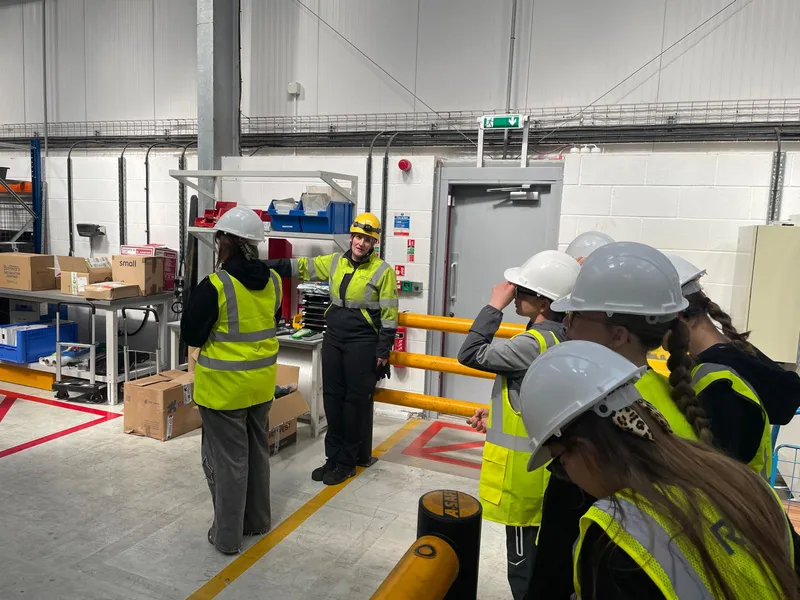 ABOVE AND BELOW: Offshore wind turbine technician Amy Allen demonstrates the challenges of her role.
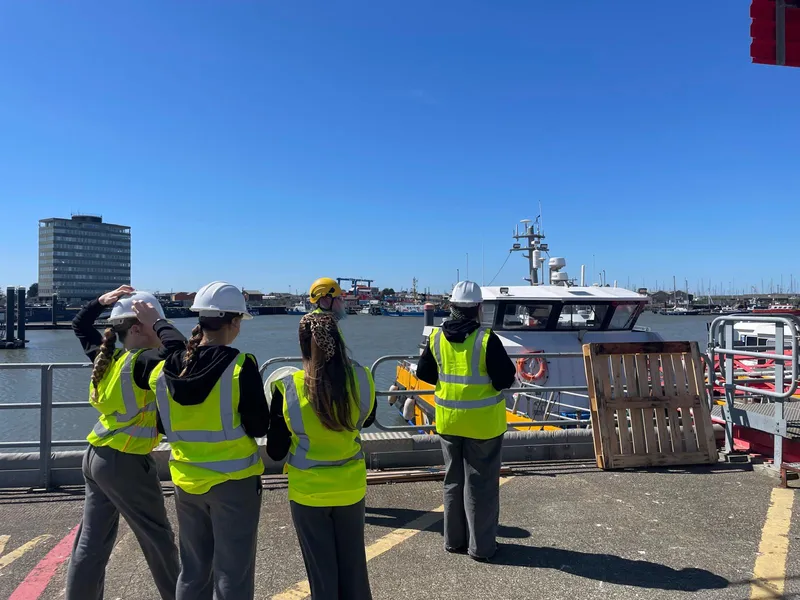 ABOVE: Dockside at the Port of Grimsby.
Students meet rising East Yorkshire author during school literacy event
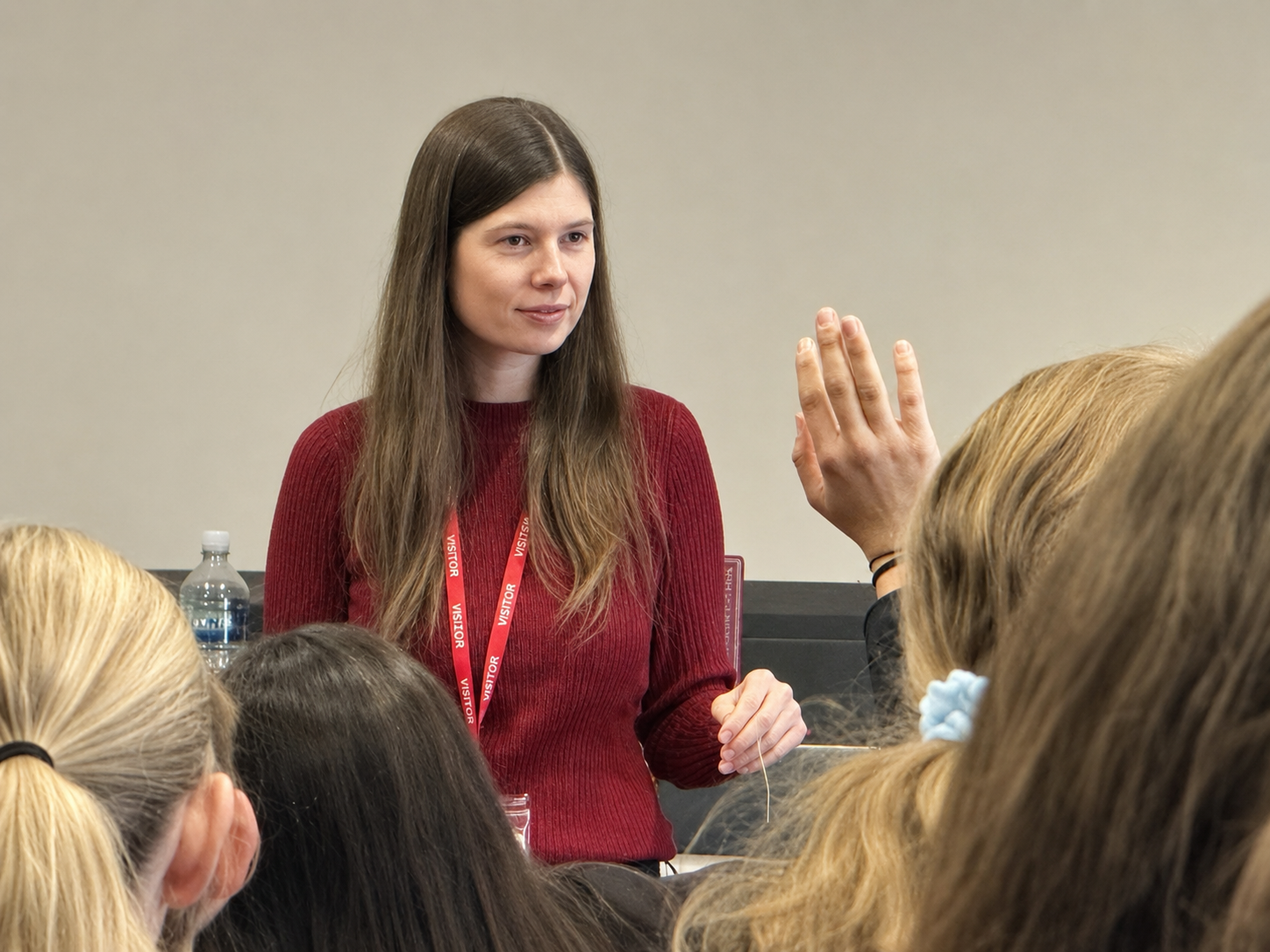
East Yorkshire author Philippa Leathley recently visited Withernsea High School, where she delivered an interactive session for Year 7 students focused on reading, writing and the creative process.
Philippa, who was born in Beverley and still lives locally, is the author of the novel Inkbound, published in January 2025 as the first in a planned trilogy. A further children’s series, The Starsea Mysteries, is set to follow in 2028.
A lifelong storyteller, Philippa began writing from an early age and developed her love of books through frequent reading. Among her early influences were authors including Philip Pullman, Cornelia Funke and Jacqueline Wilson, with Funke’s Inkheart and Pullman’s His Dark Materials among the works that helped shape her imagination.
Philippa’s visit formed part of the school’s ongoing efforts to promote reading and broaden students’ experiences beyond the classroom. During the session, she spoke about her journey into publishing, how ideas are developed into stories and the process of publishing and distributing books. Students also took part in activities designed to encourage direct engagement with the themes discussed.
Reflecting on the impact of the event, Laura Aldridge, lead for whole-school reading and literacy, said: “Philippa’s talk was really engaging and covered a wide range of topics, from her writing process and what inspires her to write, to why book covers are crucial in attracting the right audience. She involved the students directly and encouraged participation through interactive activities during her presentation. It was clear that a lot of thought and effort had gone into making the experience engaging and entertaining, and this was reflected in the enthusiasm of the students.”
As a young author from East Yorkshire, Philippa’s background was recognised as particularly important in helping students relate to her work and career path, while also inspiring aspiring writers.
Laura added: “To have an author who lives locally, someone who feels current, relevant and real, who is young and speaks like our students, is hugely important. The books studied in lessons are often by authors from different time periods or different parts of the world, which can make them feel distant from students’ own lives. Seeing someone from their own area achieve success makes that pathway feel far more realistic and attainable.”
Reflecting on her own experience growing up in the East Riding, Philippa said opportunities to meet authors locally had been limited, making her return to schools in the region particularly meaningful.
“When I was growing up, I was very lucky that my mother worked at the library, so I was exposed to books, and occasionally authors, more than many of my classmates. That definitely helped inspire me, but I don’t think we ever had an author visit school.
“As I got older and read more, I would check the biographies at the back of books and think, ‘that person isn’t like me.’ They were typically from down south, had creative writing degrees or even PhDs, and I remember crying because I felt I would never be able to become a professional author because I struggled a lot at school.
“I took huge inspiration from my favourite books as a child. I was also inspired by my family, especially my grandmother, who was incredibly creative and always wanted to write but never had the chance to pursue it professionally.”
Among those benefiting from Philippa’s advice were the school’s recently appointed reading leaders and book ambassadors, who were taking part in their first major literacy-focused activity. Student representatives from all year groups attended and contributed to the session.
Laura said: “One of our younger reading leaders had never met an author before, and it was clear how much that meant to her. Our ambassadors enjoyed learning about the writing process and world-building. They engaged well, asked thoughtful questions and participated throughout, which was very encouraging to see.”
Philippa added: “My visit to Withernsea High School was absolutely lovely. The students were imaginative and engaged, and came up with lots of brilliant questions. I especially enjoyed having the chance to chat with the reading ambassadors, who were clearly avid readers.”
Acknowledging the importance of school engagement, Philippa, who has visited more than 40 schools across the country over the past year, explained how connecting directly with young readers forms a central part of her work as an author.
“Visiting schools is one of my favourite aspects of being an author. I think it’s incredibly important to connect directly with young people, especially in our area, which is often overlooked by the publishing industry.
“I want to highlight that somebody from this part of the country, who didn’t necessarily go to university, can still become successful through hard work and perseverance. As a children’s author, it also inspires me to speak directly to readers and discover what interests them, what their passions are, and how I can best serve them as a writer.
“The main thing I want to achieve is inspiring young people to use their imaginations, to realise that reading and writing can be fun rather than a chore, and to value their own voices and ideas.”
As part of the visit, Philippa donated copies of her books to the school library and staff are now looking to build on her recommendations by introducing more of the titles she discussed.
Laura said: “One of the things we need to do now is capitalise on Philippa’s visit. She brought books with her and left them in the library for students to borrow, but she also spoke a lot about the books she enjoys reading. We need to build on that and get those books into the hands of our students.”
The visit forms part of a wider programme at Withernsea High School aimed at broadening students’ experiences and raising aspirations through external speakers and enrichment opportunities.
Laura added: “I think bringing authors into school is brilliant. It’s the same as having careers visits or trips to colleges and universities. It’s another experience that helps expand the world of our students.”
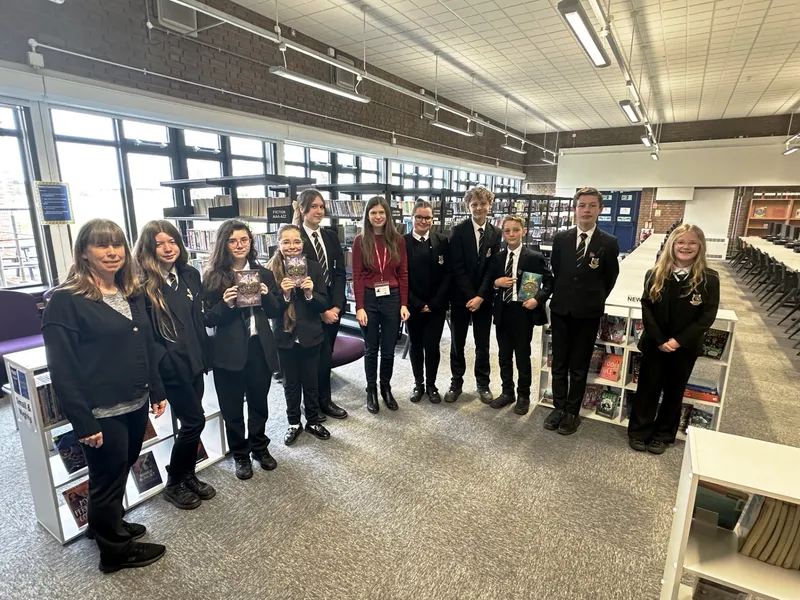 ABOVE: The school's reading leaders and book ambassadors with Philippa Leathley.
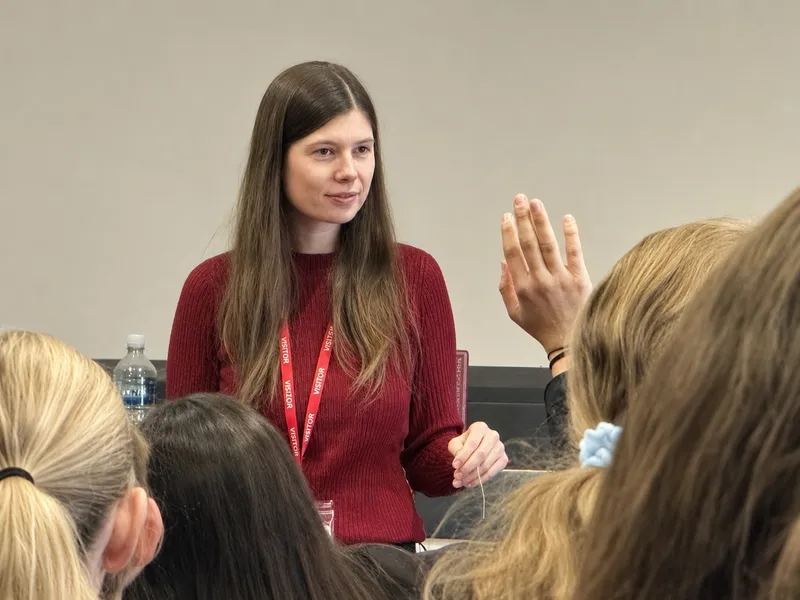 ABOVE: Beverley-born Philippa spoke to Year 7 about her career as an author.
Personal development workshops tackle coercive control and online influence
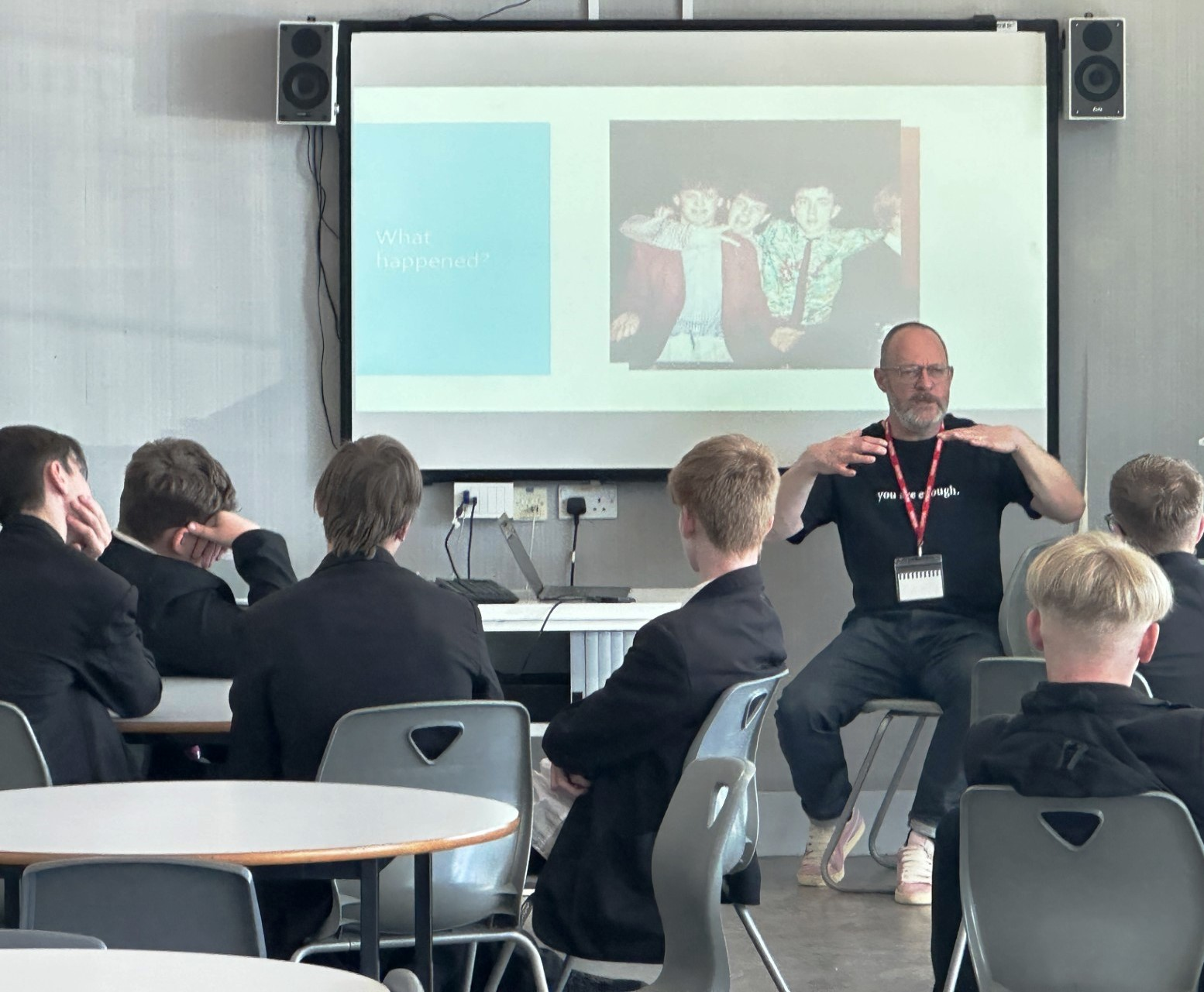
Students at Withernsea High School recently took part in a series of personal development workshops focused on relationships, identity and the influence of online culture.
The sessions were delivered by external facilitator Andrew ‘Bernie’ Bernard as part of the school’s wider personal development curriculum and were tailored to different year groups to ensure age-appropriate themes.
The school’s youngest students in years 7 and 8 were encouraged to consider identity, empathy and respect for others during a workshop titled ‘What Makes a (Hu)Man’. This explored stereotypes and the harmful impact they can have on individuals and communities. It also examined how widely held assumptions, even when grounded in some reality, can lead young people to compare themselves unfavourably with others, potentially affecting confidence and self-esteem.
For students in years 9 and 10, the focus shifted to coercive control and the role of technology in facilitating harmful behaviours. Bernie explained: “We looked in depth at coercive control, which is increasingly affecting young people, and how digital platforms can enable those behaviours. It underpins many unhealthy relationships, so it is important that students understand how it operates.”
The workshop also explored the growing influence of online content, encouraging students to reflect on how such material can shape expectations and behaviour. Emerging issues such as AI-generated deepfakes were also discussed, alongside the development of awareness, critical thinking and responsible decision-making skills.
A further session with a group of Key Stage 4 students examined societal expectations around masculinity and gender, including the notion that men and boys are “natural leaders.” The session aimed to develop empathy and understanding by exploring how men and women may experience the world differently.
Bernie added: “We discussed how ideas about masculinity are often pushed at young men online, and how those expectations can be damaging not only to them but also to others around them. We talked about what it means to be a ‘real man’ and introduced the idea of the ‘man box’ - a set of unwritten rules that many feel pressured to follow, even though few would consciously choose them.”
Speaking more broadly about the context of his work, Bernie highlighted the importance of addressing these issues in schools: “This message has never been more important. Young people need the skills to question what they see, distinguish fact from fiction, and think critically about the information presented to them.
“It is important for parents to have open conversations with their children in a non-judgemental way. Setting aside regular time to talk, without distractions such as phones, can make a real difference. Even if parents believe their children are not engaging with this content, they are likely to be exposed to it. Much of what they encounter is not actively searched for but delivered to them through algorithms. If there are concerns, schools can work with families to provide guidance and help address any issues.”
Acknowledging the influence of online environments on young people’s wellbeing, including increasing pressure on boys and young men, Bernie said: “There is also growing evidence that body image and confidence are at a low point for many young men. Increasingly, they are turning to extreme online personalities for guidance on how to improve themselves, which can reinforce unrealistic or unhealthy expectations.”
Reflecting on the impact of the workshops, deputy headteacher Beci Pindar said: “We were delighted to welcome Bernie into school to deliver these powerful and thought-provoking presentations to our students. He provided real-world insight and lived experience, speaking openly about the impact of misogyny and domestic violence, and encouraging students to reflect on attitudes, language and behaviour both in and out of school. His engaging and honest approach helped students understand the importance of respect, healthy relationships and standing up against harmful behaviours.
“External speakers can engage students in different ways, reinforcing key messages about our school values and supporting our aim to prepare young people for life beyond school in a safe, informed and responsible way.”
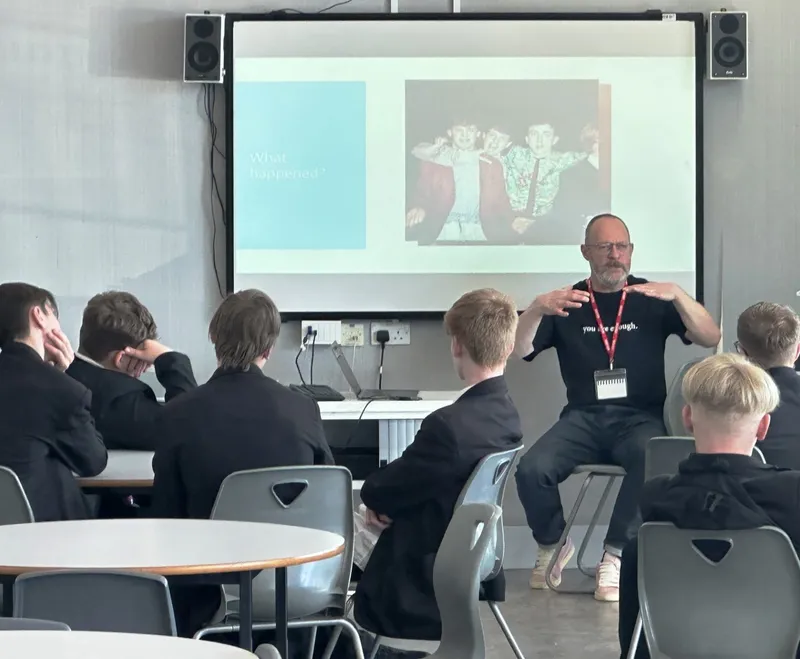 ABOVE: Bernie delivered a series of workshops throughout the day.